2026 Best Liquid Hand Sanitizer for Global Buyers?

Choosing the 2026 best Liquid Hand Sanitizer is not simply a matter of selecting the highest alcohol percentage. Global buyers need evidence, consistency, and practical fit. A product used in a hotel lobby may not suit a hospital entrance, school bus, or food-processing facility.

Dr. William Schaffner, an infectious-disease specialist at Vanderbilt University, has stated, “Hand sanitizer is useful when soap and water are not available.” That practical view still matters. Buyers should examine alcohol type, concentration, active-ingredient testing, safety data, dispenser compatibility, and batch traceability. Clear labeling matters too. A strong formula loses value when the pump leaks, the gel dries slowly, or the label cannot be understood by local users.

Performance is visible in small details. Does the sanitizer spread across dry hands within seconds? Does it leave a sticky film? Can cartons survive humid ports and cold warehouses? These questions often reveal more than polished marketing claims. Packaging size, refill design, and transport stability also influence total purchasing cost.

A global ranking can still mislead. Regulatory expectations, climate conditions, and user habits differ across markets. I would not treat one laboratory result as universal proof. Buyers should compare independent documents, supplier experience, and recent production samples before committing to volume orders. This guide evaluates leading Liquid Hand Sanitizer options through that broader lens, balancing hygiene performance with reliability, usability, and responsible sourcing. Some conclusions may remain imperfect. That is worth admitting. Better decisions begin with honest limits, not exaggerated certainty.
2026 Best Liquid Hand Sanitizer for Global Buyers?

What Is Liquid Hand Sanitizer and Why Does It Matter in 2026?

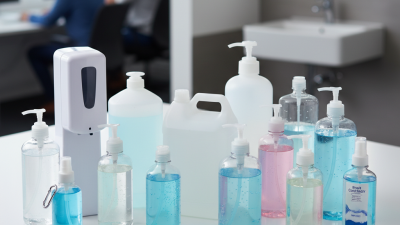
Liquid hand sanitizer is a topical product designed to reduce many harmful microorganisms on the hands when soap and water are unavailable. Most effective liquid formulas use ethanol or isopropanol as the active ingredient, often within a tested concentration range. Water, humectants, and skin-conditioning agents improve application and comfort. The texture matters too. A fast-drying liquid should spread evenly without leaving excessive residue.

In 2026, global buyers are examining more than alcohol percentage. They are checking laboratory test reports, ingredient traceability, batch numbers, expiry dates, and safety documentation. Packaging also deserves attention. A leaking pump can damage cartons during humid sea transport. A poorly sealed bottle may lose volume before reaching a distributor. Practical details matter. Storage conditions matter.

A responsible evaluation should consider intended users and local requirements. Hospitals, schools, hotels, and public facilities may need different bottle sizes, dispensing systems, and evidence of microbial performance. High alcohol content alone does not prove product quality. That assumption needs checking. Fragrance can improve acceptance, yet it may irritate sensitive skin. Frequent use can also cause dryness, especially in cold or low-humidity environments. Buyers should compare independent testing with supplier claims and request current documents before placing large orders. Even then, uncertainty remains when transport, storage, or user behavior changes. Procurement decisions should leave room for that reality.

Which Ingredients Define Effective Liquid Hand Sanitizer?

For global buyers, ingredient selection matters more than fragrance, color, or attractive packaging. An effective liquid hand sanitizer needs a proven alcohol concentration. Ethyl alcohol or isopropyl alcohol should provide the primary antimicrobial action. Many public-health references specify at least 60% alcohol by volume for common germ control. Some professional formulations use higher levels. More alcohol is not automatically better. Skin tolerance and safe handling still matter.

Purified water supports the formula and helps ingredients mix evenly. Glycerol or another suitable humectant can reduce dryness after repeated use. Excess humectant may leave hands sticky, though. In some standard formulas, a small amount of hydrogen peroxide helps control contamination during production. It is not the main hand-disinfecting ingredient. Denaturants may discourage ingestion, but buyers must check local safety and labeling requirements.

A clear liquid can still perform poorly. Practical purchasing should include alcohol assay results, microbial testing, batch records, and packaging compatibility data. Check whether the liquid evaporates evenly from a palm-sized dose. Notice the smell after thirty seconds. Harsh odor may indicate poor user acceptance, even when the chemistry is sound. A reliable supplier should provide a certificate of analysis and transparent production details. I would also question formulas that promise protection against every pathogen. That claim is too broad. When hands are visibly dirty, soap and running water remain the more dependable choice.

2026 Best Liquid Hand Sanitizer for Global Buyers? - Which Ingredients Define Effective Liquid Hand Sanitizer?

Evaluation Dimension Ingredient or Specification Evidence-Based Target Why It Matters to Global Buyers
Primary antimicrobial agent Ethanol At least 60% v/v for routine alcohol-based hand sanitizer; many validated liquid formulations use approximately 70–85% v/v. Ethanol is widely accepted for rapid reduction of many bacteria and enveloped viruses when the product is correctly applied and allowed to dry.
Alternative antimicrobial agent Isopropyl alcohol At least 60% v/v for an alcohol-based sanitizer; the WHO-recommended reference formulation uses 75% v/v. Provides a recognized alternative to ethanol and can support broad procurement flexibility where local regulations permit.
WHO reference formulation option Ethanol 80% v/v or isopropyl alcohol 75% v/v Use the selected alcohol concentration together with the specified supporting ingredients and validated manufacturing controls. A globally recognized reference can simplify technical review, quality documentation, and cross-border purchasing decisions.
Skin humectant Glycerol Approximately 1.45% v/v in the WHO reference formulations. Helps reduce excessive skin drying caused by repeated alcohol exposure while keeping the formulation suitable for frequent use.
Manufacturing-support ingredient Hydrogen peroxide Approximately 0.125% v/v in the WHO reference formulations. Used to help eliminate contaminating spores in the bulk solution; it is not the primary hand-antimicrobial ingredient.
Solvent and carrier Purified or otherwise suitable water Use water quality appropriate to the applicable pharmacopoeial, cosmetic, or regulatory standard. Water quality affects consistency, stability, appearance, and compliance with destination-market requirements.
Alcohol concentration verification Assay result and batch traceability The labeled alcohol concentration should be supported by validated testing, batch records, and a certificate of analysis. Alcohol can evaporate or be inaccurately measured, so documented testing is essential for international quality assurance.
Application performance Complete hand coverage and drying Apply enough liquid to cover all hand surfaces and rub until completely dry, normally around 20–30 seconds depending on the dose and formulation. Even the correct alcohol concentration may perform poorly if too little product is used or the hands are not fully covered.
Use limitation Visible soil, grease, or certain chemicals on hands Wash with soap and running water when hands are visibly dirty or greasy; sanitizer is not a universal substitute for handwashing. Clear usage instructions reduce misuse and support safer procurement for healthcare, hospitality, education, and industrial sites.
Formulation claims “Kills 99.9%” or similar claims Claims should be supported by appropriate standardized efficacy testing and must comply with the destination country's labeling rules. Regulatory definitions and permitted claims differ by market; technical evidence should be reviewed before import or private labeling.
Packaging and transport Leak-resistant container with flammable-liquid controls Alcohol-based liquids are generally flammable and may be regulated as dangerous goods during storage and transport. Packaging, shipping classification, safety data sheets, and destination-market documentation should be confirmed before ordering.

Buyer note: Ingredient concentrations, labeling, efficacy claims, packaging, and transport requirements must be verified against the regulations of the destination market. Alcohol-based hand sanitizers should be kept away from heat, sparks, flames, and children.

How to Compare Safety, Quality, and Global Compliance Standards

2026 Best Liquid Hand Sanitizer for Global Buyers?

How to Compare Safety, Quality, and Global Compliance Standards

Choosing a liquid hand sanitizer for international distribution requires more than checking alcohol content. Buyers should verify the active ingredient, concentration, and intended use against each destination’s requirements. A formula accepted in one market may need different registration, labeling, or documentation elsewhere.

Safety starts with tested raw materials and controlled manufacturing. Request recent laboratory reports, a certificate of analysis, safety data sheets, and batch traceability records. Check whether the container prevents leakage during transport. The cap matters. A weak seal can ruin otherwise acceptable products.

Quality should remain consistent from batch to batch. Inspect clarity, odor, drying time, and skin feel, but do not rely on appearance alone. A clear liquid is not proof of effectiveness. Independent testing can confirm active content, microbial control, and packaging compatibility. Experienced buyers also review storage temperatures, shelf life, and transport conditions before placing large orders.

Global compliance demands careful label review. The label may need ingredient names, warnings, directions, flammability information, lot numbers, and local-language text. Claims such as “kills all germs” can create regulatory problems when evidence is limited. That point is easy to overlook. I have seen purchasing teams focus on price while treating documentation as an afterthought. That is a costly weakness. A practical supplier should answer technical questions clearly, provide consistent records, and accept reasonable pre-shipment inspections.

How Should Global Buyers Evaluate Suppliers and Product Claims?

2026 Best Liquid Hand Sanitizer for Global Buyers?

How Should Global Buyers Evaluate Suppliers and Product Claims?

A strong supplier should provide more than a polished catalogue. Ask for the product specification, safety data sheet, certificate of analysis, and batch traceability records. The active ingredient and concentration must match the label and test report. Packaging also matters. Check bottle leakage, pump output, seal quality, and performance after transport simulations.

Request independent laboratory testing when claims appear unusually broad. “Kills germs” is not a complete technical statement. Buyers should identify the tested organisms, contact time, test method, and product conditions. A supplier making responsible claims will explain limitations clearly. Evidence should cover real production batches, not only a sample prepared for marketing.

Visit the factory if possible. Observe filling lines, storage temperatures, hygiene controls, and calibration records. I once focused too heavily on unit price and overlooked inconsistent pump dosing. That mistake affected user experience and increased waste. Supplier communication is another practical test. Can the team answer technical questions quickly and provide updated documents? Regional labeling, transport, and chemical requirements may differ, so local review remains necessary. A low price can hide weak documentation, unstable supply, or unsuitable packaging. Sometimes, I still find a specification that looks complete but lacks a clear test date. That deserves a pause.

What Packaging, Logistics, and Sustainability Factors Affect Purchasing?

2026 Best Liquid Hand Sanitizer for Global Buyers?

For global buyers, packaging can determine whether liquid sanitizer arrives safely and remains usable. Choose leak-resistant bottles with secure caps and compatible seals. Clear labeling should show ingredients, volume, batch details, shelf life, and storage guidance. Some markets also require local-language information. Requirements vary.

Logistics deserve equal attention. Alcohol-based formulas may be classified as flammable, affecting cartons, documentation, carrier selection, and warehouse storage. Ask suppliers for current safety data sheets, tested closures, and transport performance records. Request samples before approving a large order.

A carton that survives a local delivery may fail after weeks at sea. That mistake becomes expensive. Sustainability also needs evidence, not attractive claims. Evaluate recycled content, refill options, lightweight bottles, and recyclable components.

Yet lighter packaging is not always better if it cracks during handling. Buyers should compare product protection, material use, and disposal systems in the destination market.

Tips: Check cap torque, seal performance, carton strength, and pallet stability. Confirm whether packaging materials suit heat, humidity, and freezing conditions. Review supplier quality records and independent test results. I would also calculate total delivered cost, including damaged units and disposal fees. Perfect packaging rarely exists. The practical goal is fewer leaks, lower waste, and dependable delivery.


This website uses cookies. By continuing to browse this site you are agreeing to our use of cookies. Please review our Privacy Policy for more information.