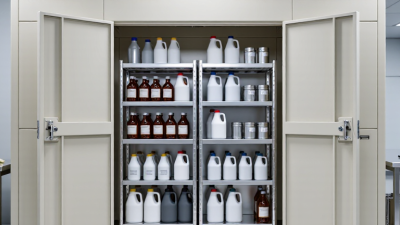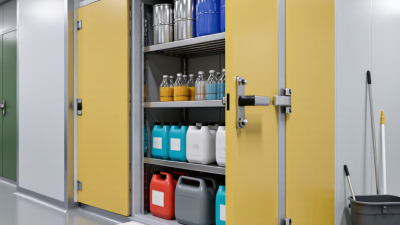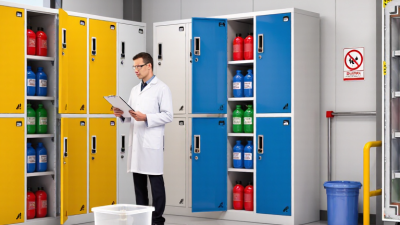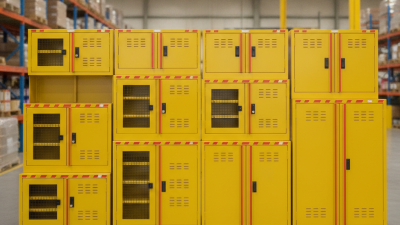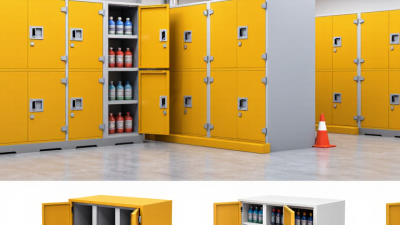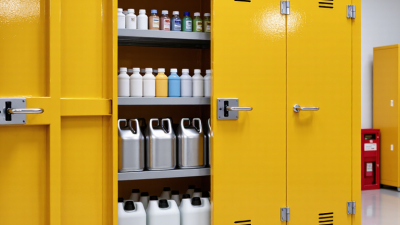
Choosing the right Hazmat Locker is more than comparing prices, colors, or storage capacity. A suitable unit should match the chemicals, workplace conditions, and daily handling practices. Strong candidates offer corrosion-resistant construction, secure doors, adjustable shelves, spill containment, clear labeling, and dependable ventilation when required. Fire-rated designs may also support safer storage for approved flammable materials.
Chemical safety expert Dr. James A. Kaufman, founder of the Laboratory Safety Institute, is widely associated with the reminder, “Safety is not expensive, it’s priceless.” His point remains practical. A low-cost locker can become expensive if it fails during a leak, blocks access, or encourages poor organization. The best Hazmat Locker supports safe routines before an incident occurs.
This guide reviews seven leading options for chemical storage. Each model is considered through practical details, including material compatibility, load limits, lock quality, shelf design, and maintenance needs. Product documentation matters. So do safety data sheets, workplace assessments, and local requirements. No locker is perfect. A fire-resistant cabinet may not solve ventilation problems, while a ventilated unit may not provide fire protection.
That limitation deserves attention. Selecting storage equipment is not a one-size-fits-all decision. An experienced buyer should examine container sizes, spill risks, room temperature, access frequency, and emergency procedures. Small details matter. A poorly placed shelf can turn routine handling into a painful reach. This comparison aims to make those decisions clearer, more realistic, and easier to verify.
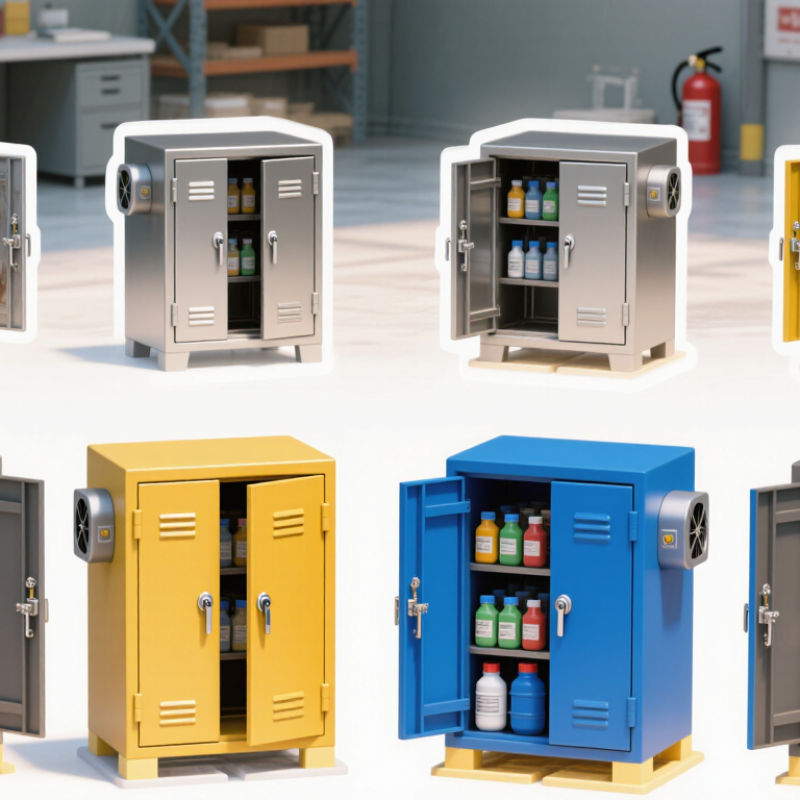
Hazmat lockers are purpose-built cabinets for storing hazardous chemicals in controlled workplace areas. They are designed to reduce spills, limit unauthorized access, and separate substances that may react dangerously. Common designs include fire-resistant lockers, corrosive-storage cabinets, and units with spill-containment trays.
The right locker depends on the chemical’s properties, quantity, and storage temperature. Always check the safety data sheet and a chemical compatibility chart before choosing one. Acids, bases, oxidizers, and flammable liquids should not share a cabinet without careful separation. Labels must remain readable. This matters.
A well-managed locker also supports daily safety routines. Shelves should stay below their load limits, containers should remain closed, and damaged bottles need prompt attention. In a busy maintenance room, a small leak can spread beneath several containers before anyone notices. Secondary containment helps, but it is not a complete solution. Ventilation is not always safer; it must match the chemical and the facility design. Staff should receive practical training, inspect storage areas regularly, and follow local fire and occupational safety requirements. A locker cannot repair poor procedures. That point is easy to overlook.
The best hazmat lockers are selected by safety standards, not appearance. Look for seven essentials: tested fire resistance, spill containment, adjustable shelving, secure doors, clear hazard labels, ventilation options, and grounding points. Each feature should match the stored chemical and its hazard class.
NFPA 30 provides guidance for flammable-liquid storage, including cabinet construction, capacity, labeling, and separation. OSHA 29 CFR 1910.106 also addresses flammable liquids in workplaces. For broader chemical hazards, consult NFPA 400 and the relevant safety data sheet. A locker designed for solvents may not suit corrosives or oxidizers. That distinction is often missed.
The U.S. Bureau of Labor Statistics recorded 5,070 fatal occupational injuries in 2023, according to its Census of Fatal Occupational Injuries. This figure covers all industries, not chemical storage alone, but it shows why risk controls require evidence. Choose lockers with documented testing, load ratings, and installation instructions. Keep incompatible chemicals apart, even when containers appear sealed. Small leaks spread quickly across metal shelves. Very quickly.
Inspect doors, hinges, labels, and sump trays during routine checks. Replace damaged seals or shelves immediately. A cabinet can meet a standard on paper and still perform poorly after misuse, corrosion, or overloading. That uncomfortable possibility deserves attention.
| Recommended Locker Type | Typical Capacity | Best Use | Key Construction Features | Recommended Storage Limitations | Important Standards and Checks |
|---|---|---|---|---|---|
| 1. Compact Flammable-Liquid Cabinet | Approximately 12–22 gallons (45–83 L) | Small laboratories, maintenance rooms, and work areas with limited quantities of flammable liquids | Steel body, adjustable shelves, raised leak-retention sump, self-closing or manually closing doors, warning labels | Use only for compatible flammable or combustible liquids; keep containers closed and segregate incompatible chemicals | Check alignment with OSHA 29 CFR 1910.106, NFPA 30, local fire codes, and the cabinet manufacturer’s tested rating |
| 2. Standard Under-Counter Flammable Cabinet | Approximately 30 gallons (114 L) | Routine storage beneath laboratory benches or industrial worktops | Double-wall steel construction, nominal air space between walls, spill-containment shelf, grounding provision where required | Do not store oxidizers, acids, bases, or compressed gas cylinders in the same cabinet unless specifically designed and approved for them | Verify fire-resistance test documentation, ventilation requirements, grounding procedures, and permitted quantities under applicable fire regulations |
| 3. Tall Vertical Flammable Cabinet | Approximately 45–60 gallons (170–227 L) | Workshops, laboratories, and facilities that need organized storage for several approved containers | Multiple adjustable shelves, high-visibility hazard labeling, secure locking hardware, liquid-tight bottom containment | Store compatible liquids by hazard class; keep aisles, exits, ignition sources, and emergency equipment unobstructed | Confirm cabinet capacity against local maximum-allowable-quantity rules; OSHA and NFPA requirements may vary by occupancy and location |
| 4. Corrosive-Chemical Cabinet | Approximately 20–48 gallons (76–182 L) | Storage of acids, bases, and other corrosive substances in laboratories or process areas | Chemical-resistant interior liner or coating, corrosion-resistant shelves, removable spill tray, lockable doors | Separate acids from bases; isolate incompatible oxidizing acids, cyanides, sulfides, and reactive materials according to SDS guidance | Use Section 2 and Section 10 of each SDS for hazards and incompatibilities; OSHA 29 CFR 1910.1200 supports labeling and hazard communication |
| 5. Pesticide and Toxic-Substance Locker | Approximately 30–60 gallons (114–227 L) | Agricultural, facility-maintenance, and industrial areas storing labeled toxic or regulated products | Lockable access, durable hazard signage, non-absorbent floor, spill containment, controlled-access location | Keep away from food, animal feed, drains, heat, and unauthorized personnel; retain products in original labeled containers | Follow product labels, SDS instructions, OSHA hazard communication rules, and applicable pesticide or waste-management regulations |
| 6. Oxidizer and Reactive-Chemical Locker | Approximately 20–48 gallons (76–182 L) | Controlled storage of oxidizers or reactive chemicals requiring segregation from fuels and reducing agents | Non-combustible or chemically compatible interior, dedicated shelving, secondary containment, clear hazard identification | Never combine oxidizers with flammable liquids, organic materials, reducing agents, or other incompatible substances | Review SDS Sections 7 and 10; consult the authority having jurisdiction because reactive-storage requirements are substance-specific |
| 7. Outdoor Weather-Resistant Hazmat Locker | Approximately 30–120 gallons (114–454 L) | Temporary or routine storage near loading areas, maintenance yards, and outdoor work zones | Weather-resistant enclosure, lockable doors, raised or sealed base, corrosion-resistant finish, integrated spill containment | Outdoor placement does not remove compatibility, quantity, fire-separation, security, or environmental-control obligations | Confirm suitability for temperature, precipitation, wind, drainage, ventilation, and local fire or environmental permits; do not assume outdoor use provides a fire rating |
Choosing a hazmat locker begins with the chemical risk, not the cabinet’s color or size. In facility reviews, I have seen crowded shelves create more danger than the chemicals themselves. A flammable-liquid locker limits ignition exposure for solvents and fuels. A corrosive cabinet protects metal components from acid or alkali vapors. An acid-base segregation locker keeps incompatible corrosives apart. This separation matters.
An oxidizer locker reduces contact with paper, oils, and other combustible materials. A toxic-substance locker supports controlled access and clear inventory checks. A gas-cylinder locker secures upright cylinders while allowing suitable ventilation and restraint.
A spill-containment locker uses a sealed base or removable sump for leak-prone containers. Small details matter. Check door seals, shelf loading, ventilation needs, and secondary containment before purchase.
Read each safety data sheet carefully, because one chemical may require more than one control. Labels can mislead. A “general chemical” category is often too vague for safe storage.
Locker placement also needs review: keep exits clear, inspect containers regularly, and record damaged packaging immediately. Storage plans should be practical enough for busy workers to follow, yet strict enough to prevent accidental mixing. The weakest point may be an overlooked shelf.
Choosing a hazmat locker starts with the chemicals, not the cabinet color.
Review each Safety Data Sheet and group substances by compatibility. Acids, bases, oxidizers, and flammables may require separate storage zones.
OSHA’s FY2023 Top 10 list recorded 3,213 Hazard Communication violations, showing that labeling and accessible information still fail in many workplaces. Keep current SDS files near the locker.
Check the locker’s construction, tested fire performance, spill containment, and load rating. A raised leak tray helps when a bottle cap loosens overnight. Adjustable shelves should remain stable under full containers.
Ventilation can reduce vapor accumulation, but it must match the stored chemical and facility design. More airflow is not automatically safer. Ask for test documentation, inspection intervals, and clear installation limits.
Capacity deserves careful planning. The U.S. Environmental Protection Agency’s 2022 Toxics Release Inventory reported 29.1 billion pounds of chemical waste managed by covered facilities. That scale reinforces the need for disciplined inventory control, even in smaller rooms.
Choose a locker that leaves visible space around containers. Overfilling is common. It also defeats inspection.
Consider access control, floor anchoring, corrosion resistance, and emergency response visibility. I would not select a unit from dimensions alone. A technically strong locker can still fail if workers cannot read labels, move containers safely, or report small leaks.
The best hazmat locker is installed for real working conditions, not just appearance. Place it on a level, noncombustible surface away from heat, drains, and busy walkways. Check the floor load before filling it. Anchor the unit where impact or movement is possible. A qualified safety professional should confirm ventilation needs, chemical compatibility, and local workplace requirements.
Keep containers upright and easy to identify. Store compatible chemicals together, but separate substances that could react dangerously. Use shelves with raised edges and secondary containment trays. Leave space around every container for inspection and safe removal. Labels should remain readable, even after spills. Keep safety data sheets nearby, not hidden in another office. Small details matter.
Maintenance must be scheduled, recorded, and visible. Inspect doors, hinges, locks, shelves, warning labels, and corrosion every month. Look inside corners. They are often missed. Clean minor residue with procedures approved for the stored chemicals, and never mix cleaning agents. Replace damaged trays immediately. Review expired or unused materials through an authorized waste process. A useful inspection log includes the date, inspector, findings, and corrective action. Our first layout was too crowded, and that mistake made one container difficult to reach. Regular review prevents the same problem from returning.
Representative planning capacities help facilities compare locker formats for flammable liquids, corrosives, pesticides, aerosols, and compressed-gas cylinders. Final selection should follow the Safety Data Sheet, local fire codes, and applicable workplace regulations.
Safe installation requires stable anchoring, clear access routes, hazard labels, and separation of incompatible chemicals. Keep containers closed, use compatible spill trays, inspect for corrosion or leaks, and document routine housekeeping and maintenance checks.
This website uses cookies. By continuing to browse this site you are agreeing to our use of cookies. Please review our Privacy Policy for more information.