How to Choose the Best Drum Storage Solutions for Your Needs?
Choosing the right drum storage solutions is critical for safety and efficiency in various industries. According to the Hazardous Materials Association, proper drum storage can reduce risk factors by up to 70%. Optimal storage systems not only prevent spills but also prolong the lifespan of stored materials. These solutions must comply with local regulations and industry standards.
The versatility of drum storage options is impressive. From traditional rack systems to innovative containment solutions, the market offers numerous choices. A recent industry report highlighted a growing trend towards modular storage units, which provide customizable options for businesses. Properly selected drum storage can minimize workplace hazards and improve productivity. However, the variety can also be overwhelming.
Consider factors like available space and material type when selecting drum storage solutions. Some systems may not fit all spaces or needs, leading to inefficiencies. Reflecting on these challenges can help identify the best approach for your requirements. Balancing safety, accessibility, and compliance is essential in selecting drum storage systems that truly support operational needs.
Understanding Different Types of Drum Storage Solutions Available
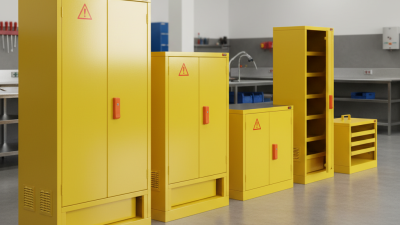
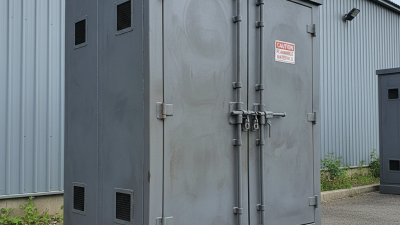
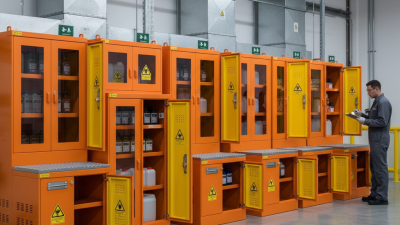
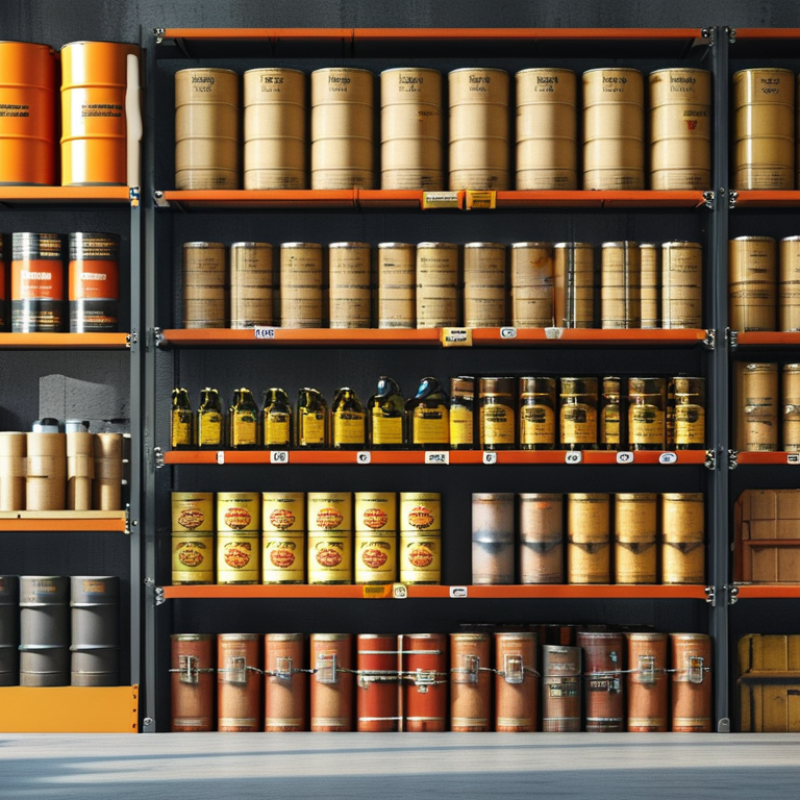
When it comes to drum storage solutions, understanding your options is crucial. There are various types available, each catering to different needs. For instance, open drum shelves allow easy access, making them ideal for frequent use. However, they may not protect from environmental factors. On the other hand, drum cabinets offer more security and protection. They keep materials safe from spills and contamination, which is essential in many industries.
Another popular option is drum racks, which maximize vertical space. These are great in limited areas. However, they require careful organization and labeling. Consider also the use of drum liners. They provide additional protection against leaks but may increase costs. Reflecting on your specific requirements can guide your choice.
Remember, the best solution aligns with your operational needs, safety regulations, and storage space. Assessing your inventory and how often you access it is vital. It can be tempting to opt for the most advanced solution, but a simple approach often works better. Make a choice that balances efficiency with practicality.
Assessing Your Space Requirements for Drum Storage
When considering drum storage solutions, evaluating your space is crucial. Start by measuring the dimensions of your storage area. Is it a cramped corner or a large warehouse? Knowing the available space helps in making better choices. Visualizing how many drums you need to store can also guide your decisions.
Consider the layout of your space. Identify any obstacles like shelves or equipment that might affect accessibility. Can you easily reach all stored drums? Ensure the arrangement allows for safe movement. Sometimes, first impressions may seem adequate, but further inspection can reveal inefficiencies.
Lastly, think about the environment. Is your space dry and cool? Humidity can affect drum contents over time. If your area has temperature fluctuations, keep this in mind for long-term storage. Reflecting on these details will enhance your storage strategy and lead to better outcomes for your specific needs.
How to Choose the Best Drum Storage Solutions for Your Needs? - Assessing Your Space Requirements for Drum Storage
| Storage Solution Type |
Space Needed (sq ft) |
Drum Capacity |
Material |
Weather Resistance |
| Vertical Storage Rack |
20 |
8 Drums |
Steel |
Yes |
| Horizontal Drum Storage |
15 |
6 Drums |
Plastic |
No |
| Drum Tote |
10 |
4 Drums |
Metal |
Yes |
| Stackable Drum Cradle |
12 |
10 Drums |
Aluminum |
Yes |
| Drum Pallet |
25 |
12 Drums |
Plastic |
No |
Evaluating the Durability and Material Quality of Drum Storage
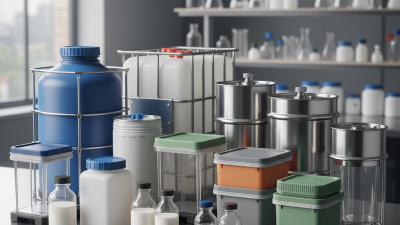
When choosing drum storage solutions, durability and material quality are critical factors. According to a recent industry report, 75% of users prioritize robust materials that can withstand harsh environments. Metal drums, for example, often provide superior strength and longevity when compared to plastic alternatives. Many organizations opt for steel drums because they resist corrosion and can handle heavy loads. However, they are also heavier and may require more effort to transport.
Material quality plays a crucial role in safe storage. High-density polyethylene (HDPE) is another popular option due to its resistance to chemicals and impact. Industry averages suggest that HDPE drums have a lifespan of over ten years in optimal conditions. Yet, not all HDPE products are created equal. Some low-cost options may have thinner walls, sacrificing integrity. Using subpar materials can lead to costly leaks and spills.
Evaluating cost-effectiveness is also essential. Investing in higher-quality products might seem daunting upfront, but long-term savings can outweigh initial expenses. Research indicates that companies that prioritize durability save, on average, 15% on replacement costs. Make informed decisions by inspecting materials and understanding the specific requirements of your storage environment.
Durability and Material Quality of Drum Storage Solutions
Factors to Consider for Safe and Compliant Drum Storage
When selecting drum storage solutions, there are vital factors to consider. Safety is paramount. Data from the National Fire Protection Association indicates that improper storage of flammable materials can lead to catastrophic events. Therefore, ensure that your storage area complies with local regulations. Adequate spacing between drums is crucial. It minimizes the risk of chemical reactions.
Another consideration is the environmental impact. The EPA’s guidance on hazardous waste shows that effective storage must prevent leaks and spills. Choosing a drip tray or secondary containment unit can help. These solutions often come with integrated features to facilitate inspections and ensure compliance.
Accessibility is also essential. If drums are hard to reach, it can lead to accidents. A well-organized storage system enhances safety and efficiency. You may need shelving, pallet racks, or even rolling carts. Evaluate your specific requirements to balance between safety and accessibility. These elements will collectively create a robust solution for your drum storage needs.
Cost Efficiency in Selecting Drum Storage Solutions
When selecting drum storage solutions, cost efficiency is crucial. According to a recent industry report, effective storage can reduce costs by up to 20%. This efficiency stems from maximizing space, decreasing waste, and minimizing the risk of damage. Many businesses overlook these aspects when making their choices.
Consider the type of materials used in storage systems. Investing in durable, high-quality solutions may seem costly upfront but saves money in the long run. A cheaper option may fail sooner, leading to unexpected expenses for replacements. A study by the American Society of Engineering Education found that companies with robust storage solutions spend 15% less on maintenance costs over five years.
It's essential to analyze your specific needs. Understanding the volume and nature of the materials stored can lead to better decisions. Some facilities may require adjustable shelving or climate-controlled environments, which can be pricier. However, smaller operations might benefit from simpler, more affordable units. Balancing these factors can enhance cost efficiency, yet it demands careful evaluation of current and future needs. Making hasty decisions based solely on initial costs may backfire, prompting closer scrutiny before finalizing any storage choice.