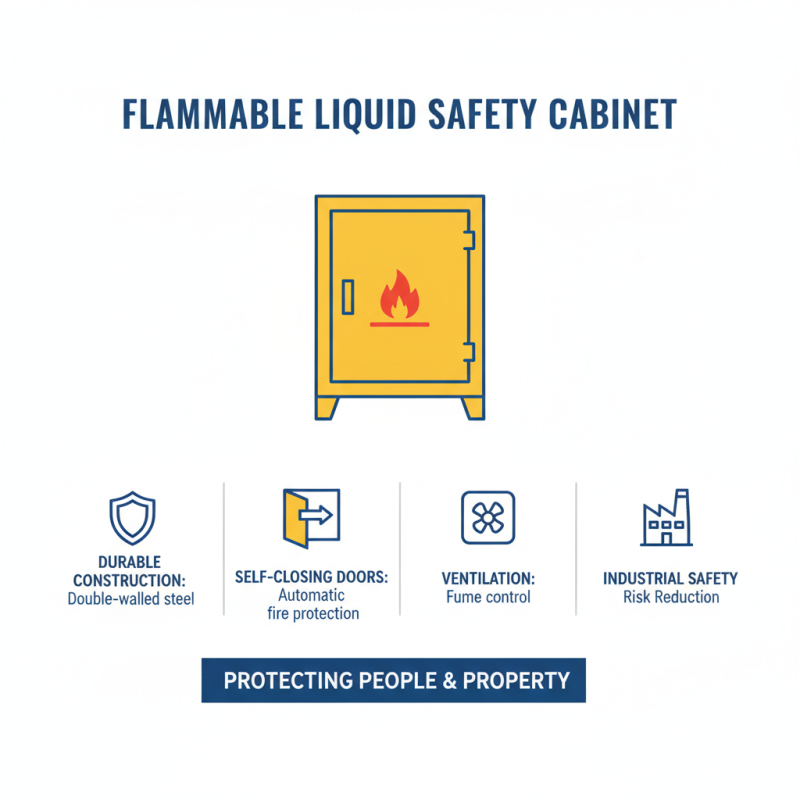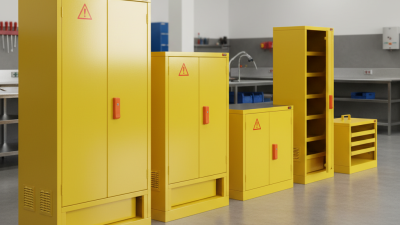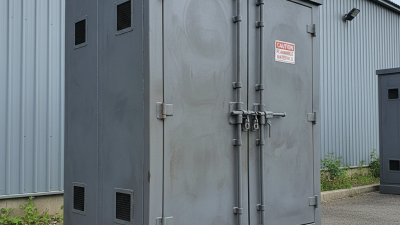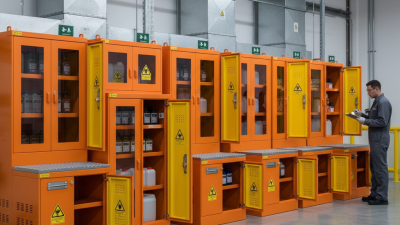
A Flammable Liquid Cabinet is essential for safety in environments that handle volatile substances. These cabinets provide a secure storage solution designed to minimize fire risks. By containing flammable liquids, they help prevent accidents and protect personnel.
In any workplace, storing chemicals safely is crucial. Flammable liquids pose significant dangers if not properly contained. A Flammable Liquid Cabinet reduces this risk. It is built to withstand high temperatures and prevent ignition. Many cabinets have features like self-closing doors and ventilation. These features enhance safety and compliance with safety standards.
However, not all workplaces prioritize proper storage. Some may underestimate the importance of a Flammable Liquid Cabinet. This oversight can lead to serious consequences. Regular training and assessments can help improve safety practices. It's vital to reflect on storage habits and the potential hazards of neglect. Ultimately, ensuring proper storage means protecting lives.
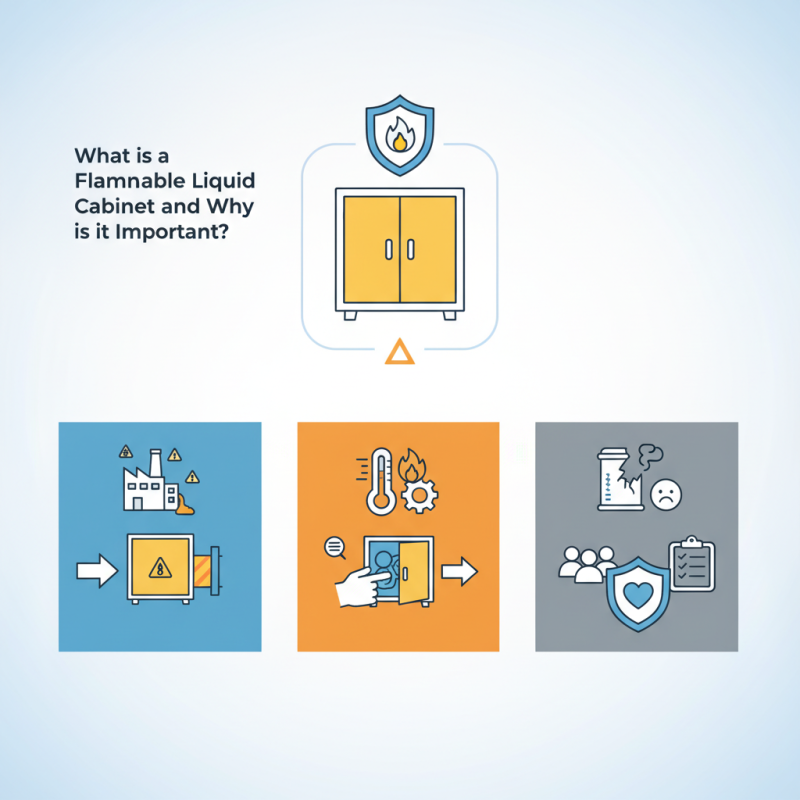
A flammable liquid cabinet is a specialized storage unit designed to contain and manage hazardous liquids. These cabinets are built from durable materials. They can withstand various conditions to protect flammable liquids. The cabinets often feature self-closing doors and proper ventilation, which helps reduce risks. In industrial settings, they play a critical role in safety.
Why is this important? Storing flammable liquids improperly can lead to dangerous situations. A small spark could ignite vapors. This is why using a flammable liquid cabinet is vital. It minimizes the likelihood of accidents. Additionally, having a cabinet shows a commitment to workplace safety. Businesses can avoid costly liabilities by following safety protocols.
Proper installation and maintenance are essential. Regular checks ensure that the cabinet functions correctly. Neglecting these tasks can lead to failures. Sometimes, people overlook these details. They may assume that everything is fine. But a single oversight could have serious consequences. A flammable liquid cabinet is more than just a container; it's a necessary safety measure.
Flammable liquid cabinets are essential in various industries. They provide a safe storage solution for hazardous liquids. Key features include durable steel construction and internal ventilation. These elements reduce the risk of fire and protect workers.
According to the NFPA, flammable liquids are a leading cause of workplace fires. Inadequate storage can increase the chances of accidents. A well-designed cabinet minimizes hazards by containing spills and limiting evaporation. Many cabinets also have lockable doors, adding another layer of security.
Moreover, these cabinets often come with adjustable shelves. This allows for versatile storage options. Some models include built-in spill trays. This feature is crucial for easy cleanup and maintaining safety. However, not all cabinets meet stringent safety standards. Organizations must evaluate their options thoroughly to ensure compliance.
Flammable liquid cabinets are crucial for safety in workplaces dealing with hazardous materials. According to the Occupational Safety and Health Administration (OSHA), cabinets must meet specific standards. These standards often include fire ratings and the ability to contain spills. The health risks associated with improper storage are serious. A study from the National Fire Protection Association (NFPA) highlights that improper storage contributes to 25% of workplace fires.
Regulations governing these cabinets vary by region but often follow guidelines set by agencies like OSHA and the Environmental Protection Agency (EPA). For instance, a cabinet must be made of non-combustible materials and have self-closing doors. Proper labeling of the contents is equally important. Yet, many facilities overlook these requirements. A survey indicated that 38% of companies lack adequate compliance with these safety standards.
Ensuring the correct implementation of these regulations is vital. Misunderstandings can lead to hazardous conditions. Facilities should conduct regular audits to assess compliance. The consequences of neglecting safety can be dire, including injuries and financial loss. Investing time in training staff is equally essential. Employees must understand how to properly use and maintain these cabinets to promote a safer working environment.
Flammable liquid cabinets play a crucial role in fire safety, especially in industrial settings. According to the National Fire Protection Association (NFPA), flammable liquids account for a significant number of workplace fires. Proper storage can reduce this risk effectively. These cabinets are designed to contain spills and delays in ignition. Thus, they help mitigate potential fires from spreading.
It’s essential to choose the right cabinet based on your needs. Many facilities don’t conduct thorough audits on their flammable liquid storage. Regular checks can make a difference. Ensure that cabinets are well-ventilated. Adequate airflow can prevent the buildup of flammable vapors. Make sure to mark your storage clearly. Visible signage enhances safety awareness.
Tip: Always maintain a clear perimeter around the cabinet. Clutter can increase risks during a fire. Educate employees on proper use and storage methods. Training can prevent accidents and ensure quicker responses in emergencies. Consider integrating periodic fire safety drills for better preparedness. Regular training reinforces the importance of safety measures in handling flammable materials.
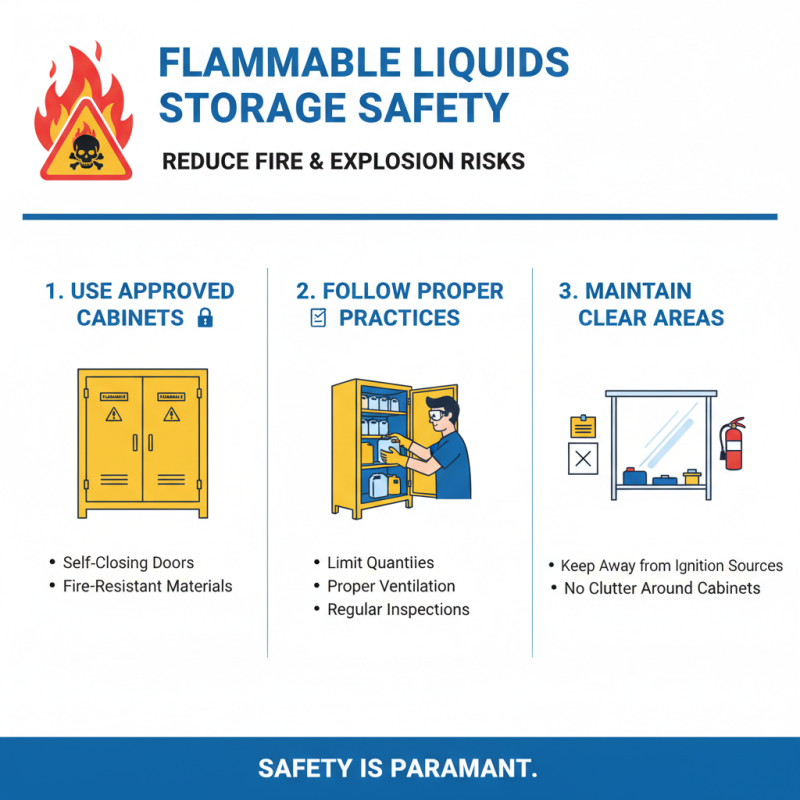
When it comes to storing flammable liquids, safety is paramount. Proper storage reduces the risks of fire and explosion. Using cabinets designed for flammable liquids is essential. These cabinets often feature self-closing doors and materials resistant to fire. However, simply having a cabinet is not enough; proper practices must be followed.
One best practice includes organizing the liquids properly. Store similar chemicals together and label them clearly. A well-organized cabinet can prevent mix-ups and spills. It's crucial to keep the cabinet away from heat sources and direct sunlight. Regularly inspect the cabinet for any signs of damage. If a cabinet is dented or corroded, it should be replaced promptly.
Moreover, consider the quantity of liquids stored. Avoid overloading the cabinet. A cluttered space increases the risk of accidents. Don't forget to train staff on proper use. Regular drills help ensure everyone knows what to do in an emergency. Sometimes, people forget these basic practices, thinking it won’t happen to them. Remember, diligence is key to safety in handling flammable materials.
This website uses cookies. By continuing to browse this site you are agreeing to our use of cookies. Please review our Privacy Policy for more information.